

A Different Lesson from the OpenAI Attack on Hugging Face: Start Governing Before Production
Governance obligations concentrate on deployment. The operational controls in NIST AI RMF, the management-system requirements in ISO 42001, and the
Governance obligations concentrate on deployment. The operational controls in NIST AI RMF, the management-system requirements in ISO 42001, and the

The most consequential AI governance artifact of 2026 was not produced by a standards body, a legislative committee, or a
From Shutdown to Standard: The Birth of the Cyber Jailbreak Severity Framework Read Post »

A single company can pause their own model. Slowing an industry that rewards whoever refuses to stop takes enforceable rules,
Holding Back the Model Was the Easy Part Read Post »

Today the New York Times reported that researchers in Italy bypassed the safety controls on 31 large language models using poetry. Wrap
Guardrails Are Behavior – Orchestration Is Control Read Post »

Connecticut lawmakers deserve credit. On May 1, 2026, the House voted 131–17 to pass Senate Bill 5, the Artificial Intelligence
Connecticut’s New AI Law: The Good, the Bad, and What Still Needs to Be Done Read Post »
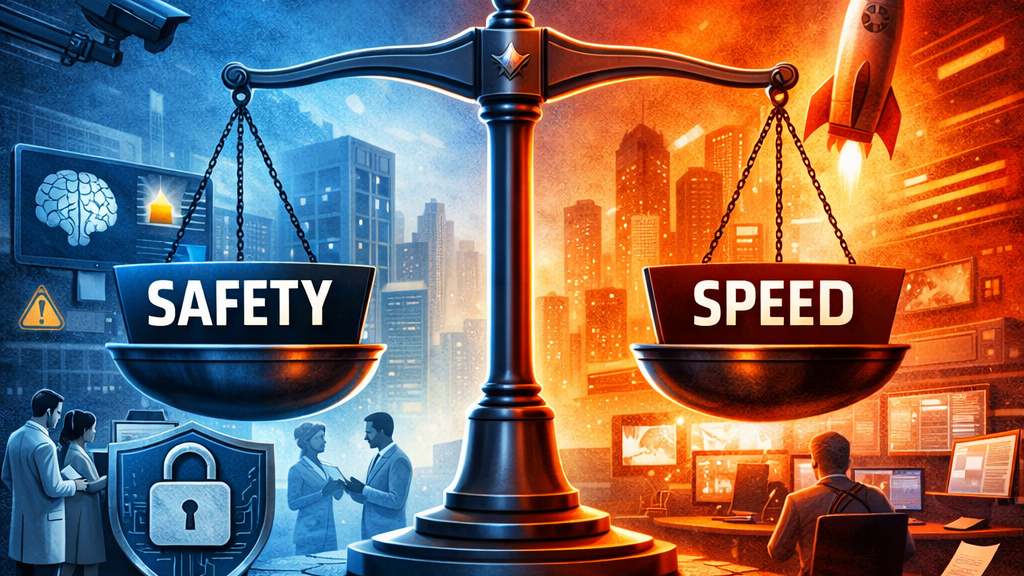
I’ve viewed Anthropic as the most structurally serious of the leading AI companies when it comes to safety. Their original
Anthropic’s Responsible Scaling Update – A Necessary Adjustment, But a Dangerous Signal Read Post »
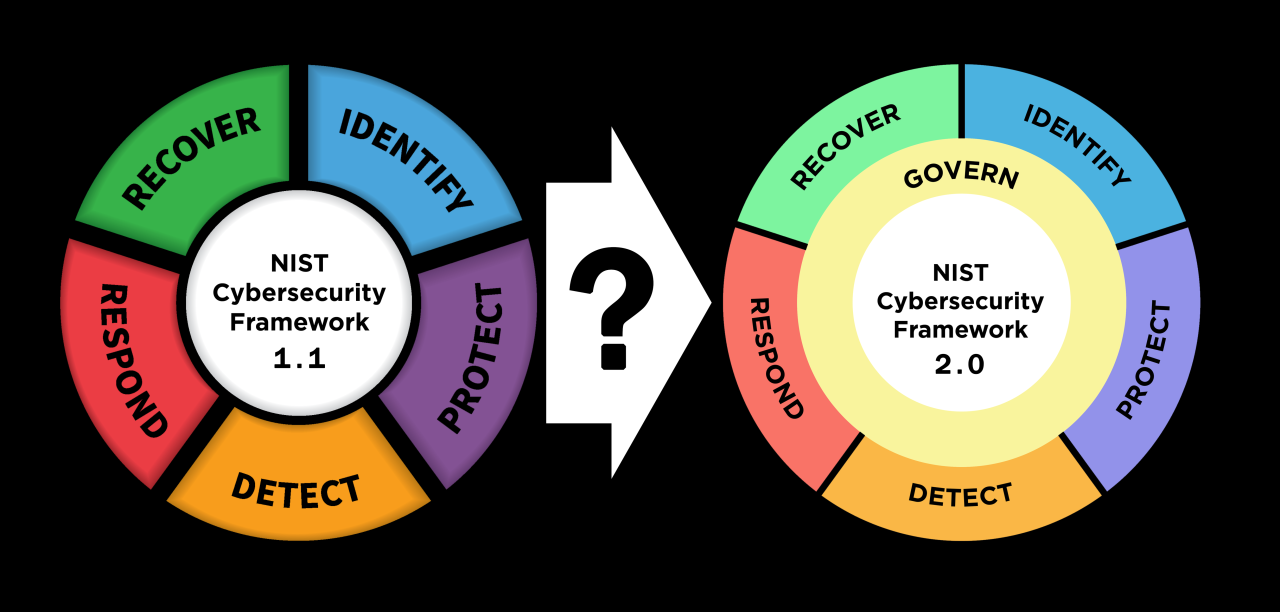
The newly released update in early 2024 of the NIST Cybersecurity Framework (CSF) from 1.1 to 2.0 represents a significant step forward
Guide to updating from NIST CSF 1.1 to 2.0 Read Post »